
·14 min read·Mariano
How to write viral tweets (honest advice from someone who's studied thousands of them)
Virality is partly luck. But there are patterns that tilt the odds. Here's how to write viral tweets based on what actually works, not survivorship bias.
Nobody can guarantee a viral tweet#
I need to say this upfront because most guides on how to write viral tweets skip it: virality has a massive luck component. Timing, who sees it first, whether a big account quote-tweets you, whether you happen to catch a trending topic. You can't control most of that.
What bugs me about the "how to go viral" content out there is that it's almost entirely survivorship bias. Someone posts a tweet that gets 50K likes, then they write a thread explaining the 7 principles behind it, and everyone nods along. But that same person posted 200 tweets that got 12 likes using the exact same principles. We just didn't screenshot those.
So here's my honest take. I've been building EchoPost, an AI tool for writing tweets, and I've spent a lot of time studying what separates tweets that spread from tweets that don't. There are real patterns. But the goal shouldn't be "go viral." The goal should be to consistently write tweets that perform above your average, so that when luck does strike, you're ready.
That's a less exciting pitch than "10 steps to your first viral tweet." But it's true.
The first line is the whole game#
If you take one thing from this post, make it this: nobody reads your second line unless your first line earns it.
X's timeline shows roughly the first 1-2 lines of a tweet before the "Show more" cutoff. On mobile it's even less. Your hook has to work within that sliver. I've seen people write genuinely interesting observations, bury them in the third sentence, and wonder why they got 4 likes.
Formats that work as hooks:
"I [did X] for [timeframe]. Here's what I learned."
"Most people think [common belief]. They're wrong."
"The best advice I ever got about [topic] was also the most uncomfortable."
"Unpopular opinion: [strong statement]."
These structures work because they create an open loop. The reader wants to know what you learned, why they're wrong, what the advice was. That tension is what earns the click. I've written about these kinds of tweet structures and templates in more detail, but the principle is the same: the hook creates a question, and the rest of your tweet answers it.
Here's what doesn't work as a hook: starting with context. "So I was thinking the other day about content strategy and how platforms have changed..." Nobody cares yet. They don't know why they should keep reading. Lead with the punch.
Specificity beats vagueness every time#
Compare these two tweets:
"Consistency is the key to growing on social media."
"I posted every weekday at 7:45am for 6 months. Went from 400 to 11K followers. But months 1-3 felt like screaming into a void."
The second one is better in every way. It's specific. It has a number. It has a timeframe. It has an emotional beat ("screaming into a void"). It feels real because it has details that a generic motivational account would never include.
When I see tweets that go viral, they almost always have specific details. Not "I made money online" but "I made $4,200 last month from a newsletter with 2,300 subscribers." Not "reading changed my life" but "I read 'The Almanack of Naval Ravikant' in 2023 and quit my job 3 months later."
Specificity does two things. It makes the tweet believable (anyone can say "I grew my account," only someone who actually did it would know the exact numbers). And it gives people something concrete to react to. Someone reading "$4,200 from 2,300 subscribers" is doing mental math, comparing it to their own numbers, forming an opinion. That's engagement.
I think most people default to vague tweets because specific ones feel risky. You're putting real numbers out there. Someone might judge you. Someone might call you out. That discomfort is a signal that you're probably writing something worth posting.
Strong opinions get shared, lukewarm takes get scrolled past#
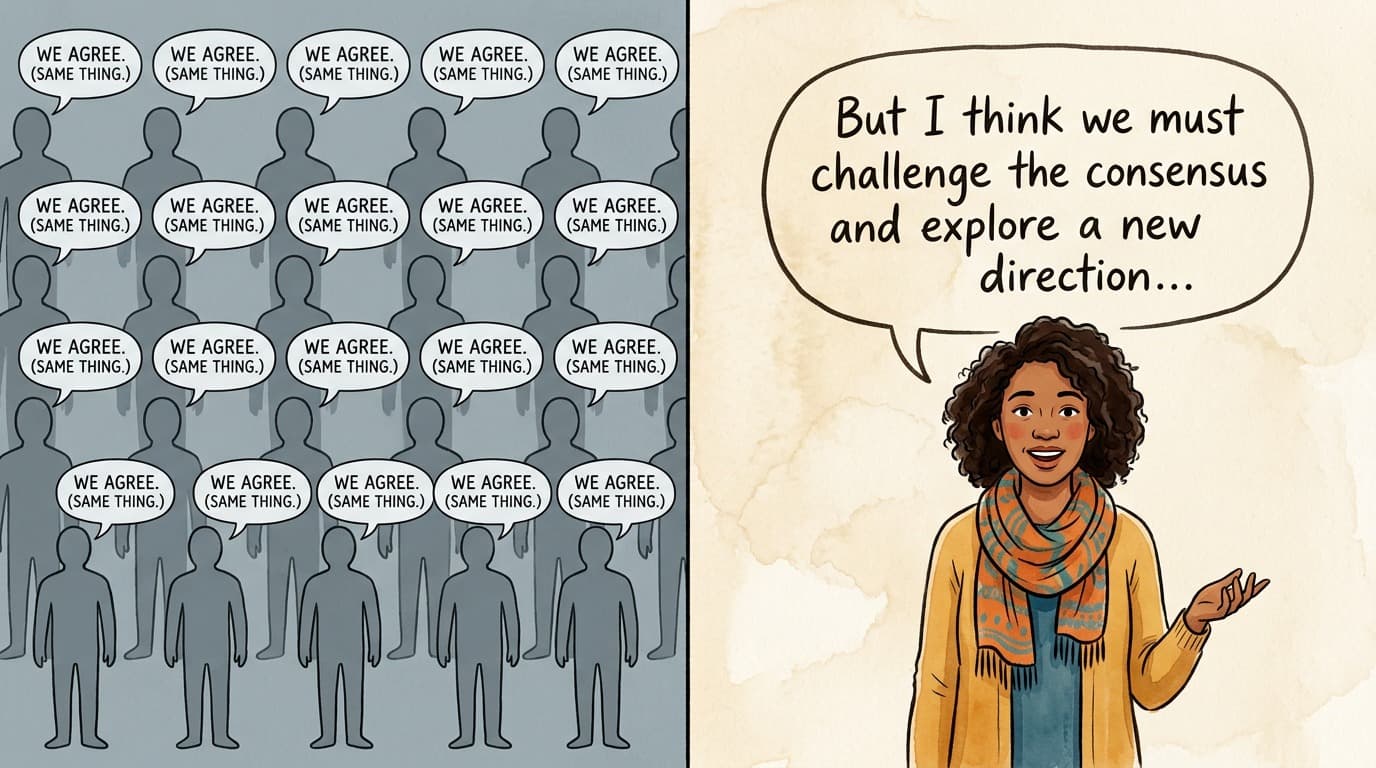
This one feels obvious but I see people ignore it constantly. If you want to write tweets that go viral, you need to actually say something. Not a both-sides, "there are good arguments on either side" non-statement. A real opinion.
The reason is mechanical. X's algorithm rewards engagement, and engagement means replies, quotes, bookmarks. People reply when they agree strongly ("YES, finally someone said it") or disagree strongly ("this is completely wrong, here's why"). Nobody replies to say "hmm, I see your point, there are valid perspectives here."
That doesn't mean you should be inflammatory for the sake of it. Contrarianism without substance gets old fast. The sweet spot is opinions that are genuinely held, somewhat uncommon, and backed by experience.
Examples of opinion strength levels:
Weak: "Content marketing is important for startups."
Medium: "Most startups waste money on content marketing because they start before they know who their audience is."
Strong: "If your startup is pre-product-market-fit, every hour spent on content marketing is an hour stolen from talking to customers. Stop writing blog posts and go do user interviews."
The strong version will get 10x the engagement. Some people will agree aggressively. Some will push back with their own experience. Some will quote-tweet it with their counter-argument. All of that is engagement.
The reply trap#
This is maybe the most underrated concept in how to write viral tweets. The best-performing tweets almost always have a built-in reason for people to reply.
I call it the "reply trap" because it's a structure that makes replying feel irresistible. A few formats that do this well:
The fill-in-the-blank: "Name one book that changed how you think about money." People love answering questions about themselves. Low effort, high engagement.
The hot take with an escape hatch: "Threads are dead. Single tweets outperform them 90% of the time. Change my mind." The "change my mind" at the end is the escape hatch. It gives people permission to disagree, and they will.
The ranked list: "My ranking of productivity apps: 1. Notion 2. Linear 3. Todoist. Controversial? Probably." Rankings are engagement machines because everyone has their own order and they can't resist sharing it.
The half-finished thought: "I've been thinking about why some creators burn out at 10K followers while others coast to 100K, and I think it comes down to one thing..." This leaves a gap. People reply either guessing what the "one thing" is, or sharing their own theory.
The reply trap works because X's algorithm weighs replies heavily. A tweet with 200 replies and 50 likes will often outperform a tweet with 500 likes and 10 replies. The algorithm reads replies as "this started a conversation," which is exactly the kind of content X wants to promote.
Thread structure vs single tweets#
I go back and forth on this. There was a period in 2023-2024 where threads were the dominant format for growth. "I studied 100 landing pages. Here are the 10 patterns they all share (thread)" was its own genre. It worked because threads got saved, bookmarked, and shared as resources.
Then the algorithm shifted. Single tweets started outperforming threads for reach in a lot of cases. Threads still work, but they need to be genuinely good, not just a list of obvious points stretched across 12 tweets to game the engagement metrics.
My current thinking: use threads when you actually have a narrative arc or a set of points that build on each other. Use single tweets for standalone observations, opinions, and questions. Don't force one format when the other fits better.
For threads, the hook tweet matters even more than for singles. If your first tweet doesn't make someone want to read the rest, the other 9 tweets don't exist. I've seen threads where the hook was "Here are 10 marketing lessons (thread)" and, like, why would I read that? But "I spent $50K on Facebook ads last year. $42K of it was wasted. Here are the 3 campaigns that actually worked (thread)" is a different story entirely.
Timing matters, but not in the way you think#
Every guide on how to write viral tweets will tell you to post at optimal times. 8-9am EST, 12-1pm EST, 5-6pm EST. These are fine rules of thumb. They represent when a lot of people are on the platform.
But I think timing is overrated as a strategy and underrated as a habit.
What I mean is: obsessing over the perfect posting time for each tweet probably doesn't change your results much. The difference between posting at 8:15am and 9:30am is small. But having a consistent schedule where you post at roughly the same times, regularly, trains the algorithm to show your content and trains your audience to expect it.
Consistency is the boring answer but it's the right one. The creators I've watched grow from zero to large followings all share one trait: they didn't stop. They posted through the periods of zero engagement. They posted when their tweets got 3 likes. They posted when they felt like nobody was listening. And eventually, one tweet caught, then another, and the compounding started.
If you want to go deeper on scheduling, I wrote about how to schedule tweets on X with a practical walkthrough.
Writing volume and the "at bats" theory#
Here's something I think about a lot: going viral is partly a numbers game. Not in the "post 30 times a day" spam sense, but in the sense that every tweet you post is an at-bat. The more at-bats you get, the more chances one of them connects.
I've seen accounts that post once a week with extremely polished, carefully crafted tweets. They're good. They get decent engagement. But they rarely break out because they have so few chances for something to catch fire.
On the other end, accounts that post 5-10 times a day with low-quality filler burn out their audience. People mute or unfollow because most of the content isn't worth seeing.
The sweet spot, from what I've observed, is 2-4 tweets per day of genuinely decent quality. That gives you enough at-bats without diluting your feed. Over a month, that's 60-120 tweets. If even 2-3% of those significantly outperform the rest, you're getting 2-3 breakout moments per month. Over a year, that compounds.
The hard part is maintaining quality at that volume. Writing 3 good tweets a day, every day, is genuinely difficult. This is where having a system for generating ideas matters more than having a system for "going viral."
What actually makes a tweet shareable#
I want to step back from tactics and talk about what makes someone hit the retweet or quote-tweet button. Because that's the actual mechanism of virality. A tweet goes viral when lots of people share it with their own followers.
People share tweets for a few reasons:
They want to look smart. Sharing an insightful observation or a counterintuitive stat makes the sharer look well-read and thoughtful. This is why data-driven tweets and non-obvious takes get shared a lot.
They want to express something they couldn't articulate themselves. "This is exactly what I've been trying to say" is the feeling that drives a lot of retweets. If you can put a common frustration or observation into words better than most people can, they'll share it as a proxy for their own voice.
They want to start a discussion. Quote-tweeting with "thoughts?" or "agree/disagree?" is a way of using your content to spark conversation on their own feed.
They want to signal membership in a group. Tweets that affirm an identity ("founders who do their own customer support understand something that hired-gun CEOs never will") get shared because sharing them says "I'm part of this group."
If you understand these motivations, you can write tweets that are more shareable by design. Not by gaming anything, but by genuinely writing things that people would want to pass along.
Using AI to increase your output (without sounding like a robot)#
Okay, so here's where I talk about AI, and I'll be upfront about my bias since I'm building an AI tweet writing tool.
The problem most people run into with AI-generated tweets is that they sound like AI-generated tweets. Generic, safe, devoid of any real voice. I wrote about this problem in detail when I tested free AI tweet generators. The output from most tools sounds like the average of everything ever posted on Twitter, which is exactly what you don't want.
But there's a use case for AI that I think is genuinely valuable: idea generation.
The hardest part of writing tweets consistently isn't the actual writing. It's staring at a blank compose box and thinking "I have nothing to say today." Writer's block is real, and it's the #1 reason people fall off their posting schedule.
What I've found works is using AI to generate a batch of rough ideas based on your topics and your voice, then picking the 2-3 that spark something and rewriting them in your own words. You're not publishing AI output directly. You're using AI as a brainstorming partner that never runs out of suggestions.
This is the approach we built into EchoPost. You describe what you want to talk about, optionally set a style to match, and it generates a batch of tweet ideas. Some of them are bad. Some are mediocre. But usually a few of them trigger a thought like "oh, I actually have a real opinion about this angle." That's when you write the real tweet.
The point isn't to automate your voice. It's to make sure you never run out of raw material. If you're consistently producing ideas and consistently posting, you're giving yourself more at-bats. And more at-bats means more chances for something to break through.
If you're looking at schedulers and tools to support a consistent posting habit, the combination of idea generation plus scheduling is where the real leverage is. You batch-generate ideas on Monday, refine your favorites throughout the week, and schedule them to go out at regular intervals.
The honest summary#
I'm not going to wrap this up with a clean "follow these 7 steps and you'll go viral" takeaway because I don't believe that's how it works.
Here's what I actually believe about writing tweets that get engagement:
Your first line matters more than anything. If the hook doesn't work, nothing else matters.
Be specific. Numbers, timeframes, real details. Vague tweets are forgettable tweets.
Have an actual opinion. The algorithm rewards engagement, and engagement requires friction. Lukewarm takes generate lukewarm results.
Make it easy to reply. Structure your tweets so people want to add their own take.
Post consistently. 2-4 good tweets a day beats 1 perfect tweet a week. You need at-bats.
Understand why people share. They share to look smart, to express something they felt, or to signal identity. Write things worth passing along.
Use AI for ideas, not for finished tweets. The blank-page problem is real, and tools can help solve it without stripping your voice out.
And honestly? Accept that most of your tweets won't go viral. That's fine. That's normal. The accounts you admire that seem to go viral every week have been posting for years, have built audiences that amplify everything they say, and have hundreds of tweets that nobody remembers. You're seeing their highlight reel.
The real strategy for how to write viral tweets is to write a lot of good tweets, stay consistent, and keep learning what resonates with your specific audience. Eventually something will catch. When it does, you'll be ready because you've been practicing all along. If you're stuck on what to write about, I also put together a list of tweet ideas for engagement — formats and structures that consistently get traction, with examples.
how to write viral tweetsviral tweetstwitter engagementtweet writing
All postsRelated posts
·7 min read
AI ghostwriter for Twitter: what works, what doesn't
Using AI to write tweets that sound like you rather than like everyone else. What I've learned from building and using AI writing tools for X.
ai ghostwriter twitterai tweet writerai writing tool

·12 min read
The best Buffer alternative for Twitter in 2026 (for X-focused creators)
Looking for a Buffer alternative for Twitter? I compared EchoPost, Typefully, Hypefury, Publer, Later, and Hootsuite to find the best option depending on what you actually need.
buffer alternativebuffer alternative for twittertwitter tools
·8 min read
The best Hootsuite alternative for Twitter in 2026
Hootsuite starts at $99/month and treats Twitter like every other platform. Here are the tools that actually make sense for individual creators on X.
hootsuite alternativetwitter schedulertwitter tools